
Getting Your Home Ready to Sell: Where Should You Spend Your Time and Money?
You’ve decided it’s time to sell your house.
Now you start looking around.
Should we repaint everything? Replace the flooring? Remodel the bathroom? Put in new countertops? Fix that crack? Replace the deck? What about the roof?
Pretty soon, getting a house ready to sell can start feeling like you’re preparing for a complete remodel.
Usually, you don’t need to.
The goal isn’t to make your home perfect. It’s to determine what deserves attention, what buyers are likely to notice and where spending some time or money may make a meaningful difference.
Start With a Walk Through the Property
One of the first things we like to do with sellers is simply look at the property.
Not as the people who have lived there for years, but from the perspective of someone seeing it for the first time.
That’s harder than it sounds.
When you’ve lived somewhere long enough, you stop noticing the loose piece of trim, dripping faucet, damaged screen or door that needs adjustment. They’re just part of the house.
A buyer sees them immediately.
More importantly, several small neglected items can sometimes create the impression that larger things haven’t been maintained either.
Take Care of the Obvious Repairs
Small repairs are often a good place to start.
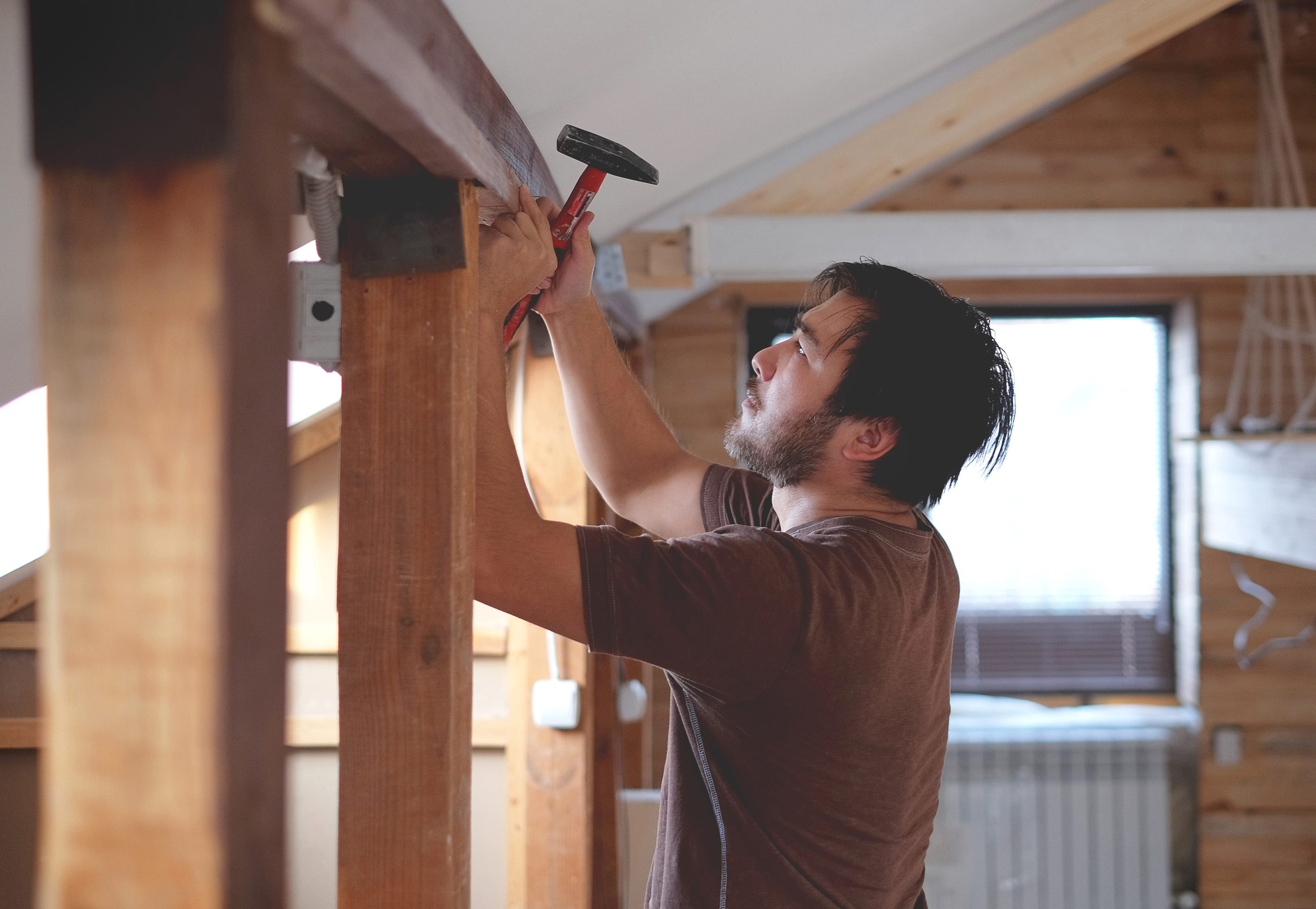
Loose handles, damaged trim, holes in walls, missing switch plates, doors that don’t close properly and other obvious maintenance items can often be corrected without a huge investment.
The goal isn’t to hide defects.
It’s to take care of normal maintenance that should probably have been done anyway.
A house that feels cared for generally makes a better first impression.
Clean and Declutter Before You Start Remodeling
Before spending thousands of dollars on improvements, start with two of the least exciting things on the list:
Cleaning and decluttering.
Buyers need to be able to see the house rather than everything that’s inside it.
That doesn’t mean removing every personal item or making your house look like nobody lives there. It means reducing clutter, clearing overloaded surfaces and making rooms easier to understand.
Garages, utility rooms and storage spaces deserve attention too.
If buyers can’t see the space, it’s harder for them to appreciate it.
Don’t Automatically Remodel the Kitchen
This is where sellers can spend a lot of money very quickly.
A brand-new kitchen may look fantastic, but that doesn’t automatically mean you’ll recover every dollar when the house sells.
The same applies to bathrooms, flooring and other large projects.
Before making a major investment specifically for resale, it’s worth having a conversation about the property, its likely buyers and the local market.
Sometimes an improvement makes sense.
Sometimes cleaning, repairing and presenting what you already have is the smarter move.
Curb Appeal Doesn’t Have to Be Complicated
The outside of your home sets the tone before buyers ever walk through the door.
You don’t need professional landscaping and a completely redesigned yard.
Mow the lawn. Trim overgrown vegetation. Remove unnecessary items from the yard. Clean up around the entrance. Make sure exterior lights work. Take care of peeling paint or obviously damaged exterior components where appropriate.
Simple improvements can make the property feel much more inviting.
Pay Attention to the Things Buyers Can’t Easily Change
Cosmetic choices are personal.
One buyer may hate a paint color that another buyer loves.
Structural and maintenance concerns are different.
The condition of the roof, foundation, siding, windows, mechanical systems and other major components can influence a buyer’s comfort with the property.
Tom and Tyler’s backgrounds in construction, property maintenance and real estate give The REP Team a useful perspective when helping sellers prepare.
We’re not replacing a professional home inspector or licensed contractor. We are helping you look at the house realistically and determine where additional professional advice may be worthwhile.
Should You Get a Pre-Listing Inspection?
For some properties, a pre-listing inspection may be worth considering.
Finding an issue before the house is under contract can give you more time to understand it and determine how you want to handle it.
That doesn’t mean every seller needs an inspection before listing.
It’s something we can discuss based on the property and your situation.
Getting “List Ready” Doesn’t Mean Making It Perfect
This is an important distinction.
You’re preparing your home for the market—not building a brand-new house.
There will always be another project you could do.
At some point, spending another $5,000, $10,000 or $20,000 may do little to improve the final result.
That’s why we prefer to start the conversation before you’ve made those decisions.
Thinking About Selling?
Even if you’re several months away, that’s a great time to talk with The REP Team.
We’ll walk through the property with you, discuss your plans and help you develop a practical approach to getting your home list-ready.
No giant remodeling checklist. No pressure to list tomorrow.
Just a plan for what comes next.